H

I

Hedwig Medal

for lifetime achievements in bryology

10recipients

The medal recognizes contributions to any component of bryology, spanning over the career of the nominee. The medal is awarded to a senior bryologist who has contributed to advancing bryology over their lifetime.

Committee · The selection Committee is chaired by the current IAB President and further composed of three members appointed by the IAB Council at the preceding IAB meeting.

Cadence
Every six years · with the IBC
Award
A silver medal
Recipients · most recent first

2024

Southern Illinois University Carbondale, Carbondale, United States
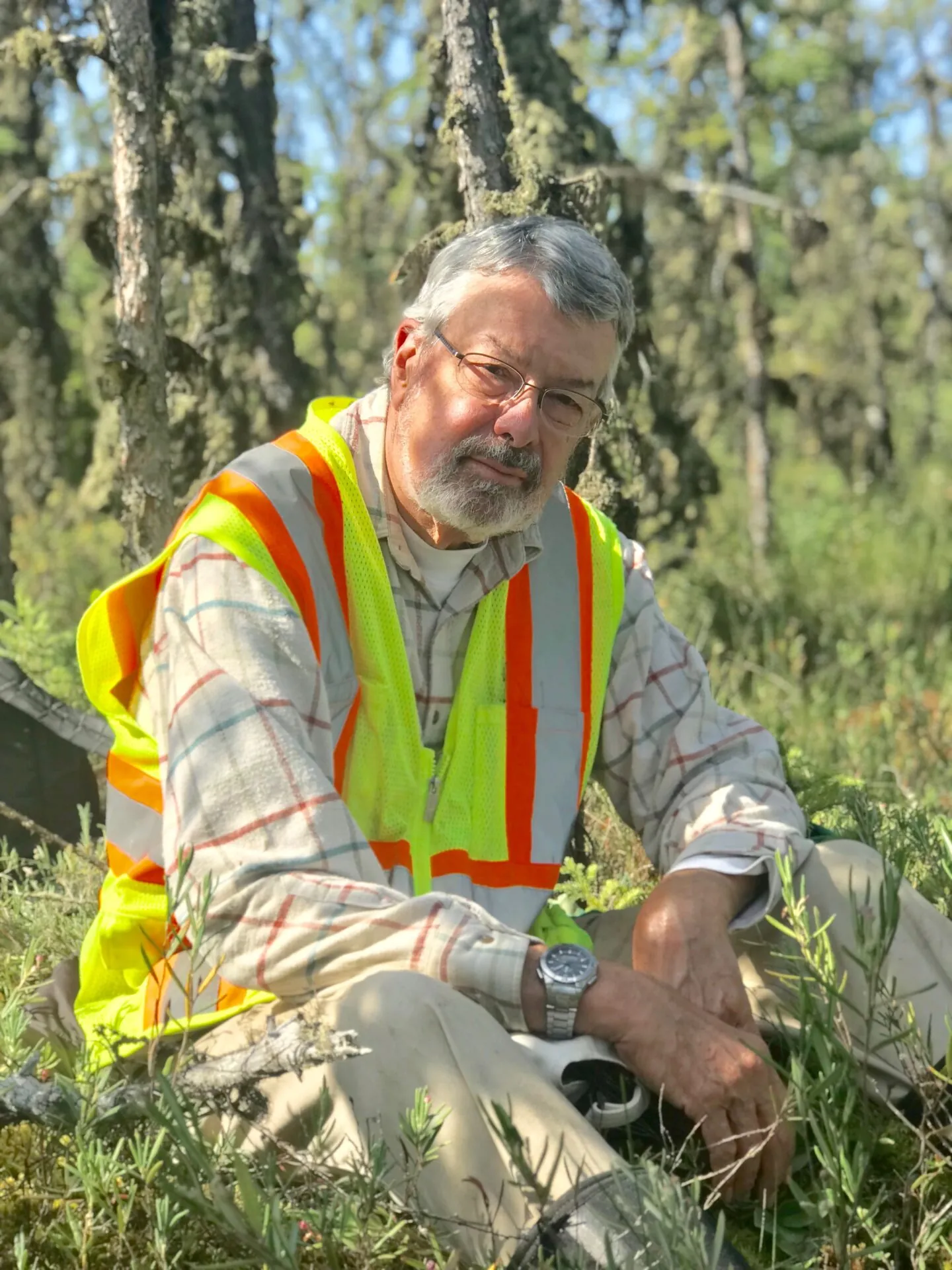
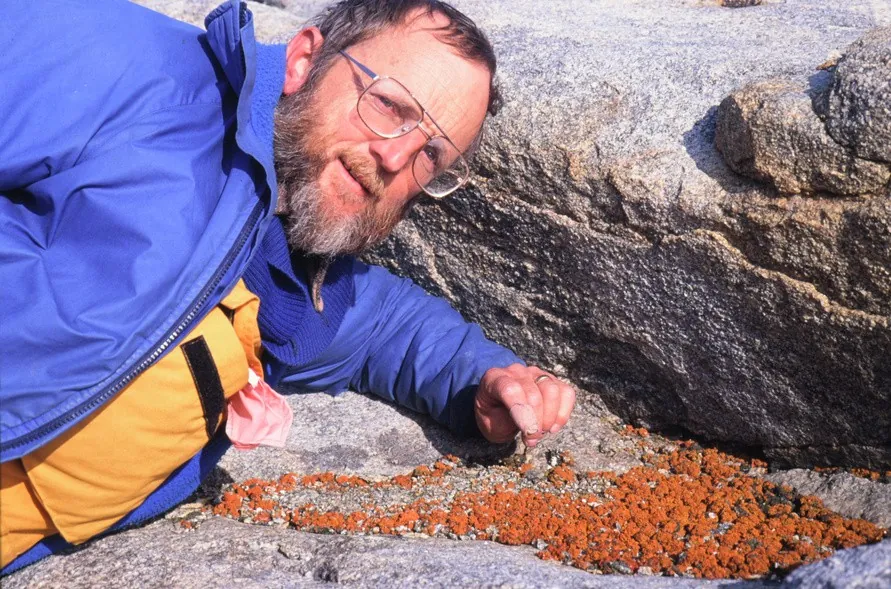
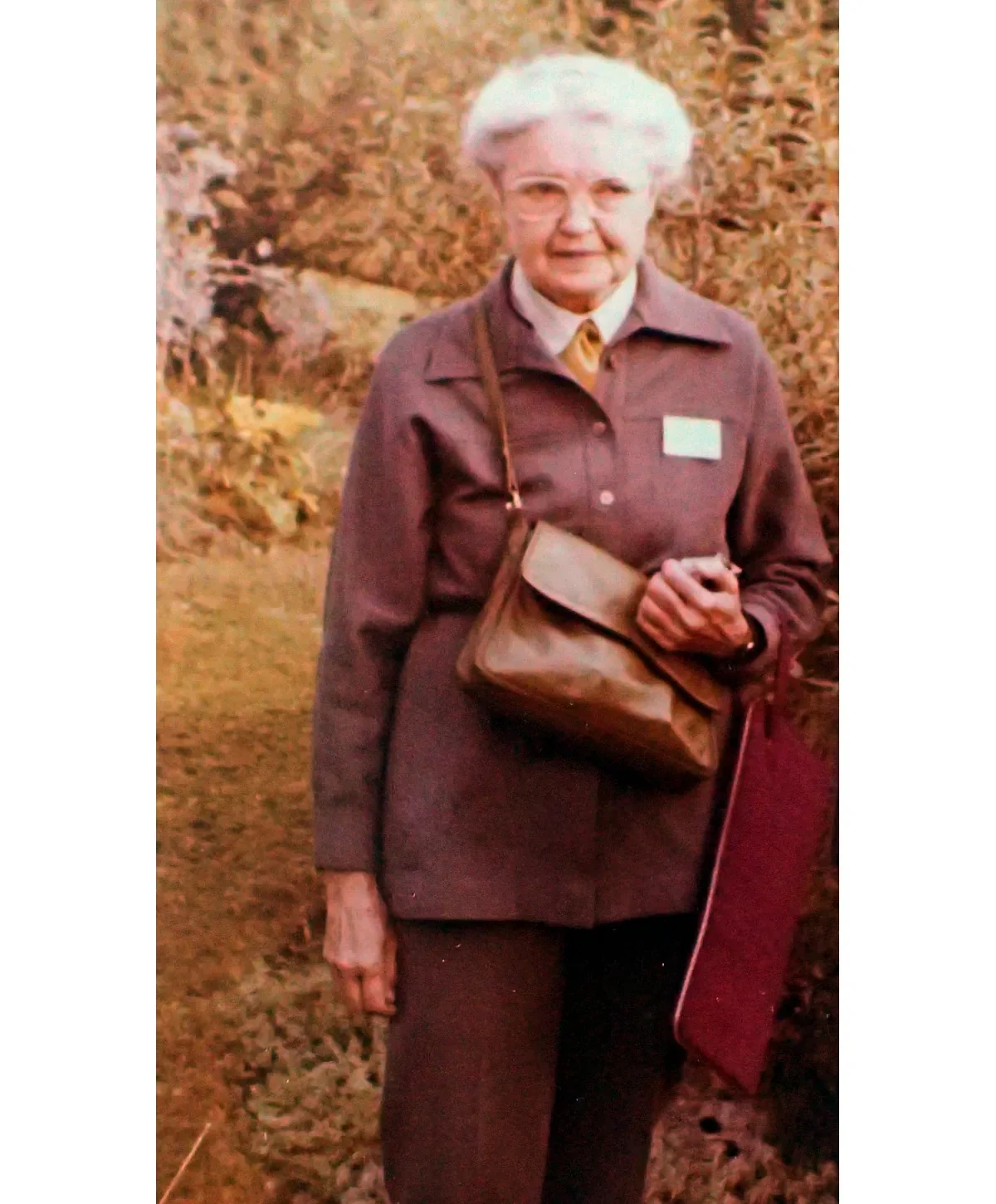
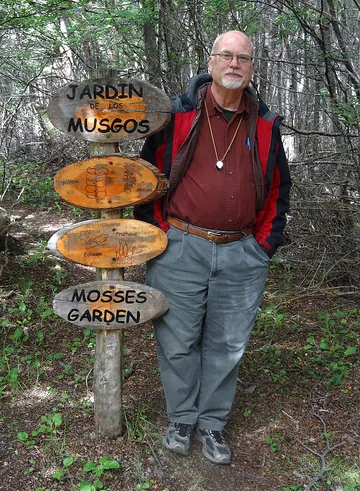
Dale Vitt’s research initially focused on bryophytes, and in particular moss systematics. He conducted field work in various corners of the world, from the high Arctic to Subantarctic islands. By the mid 1980s Dale developed his interests in wetland biology, contributing critical studies to further our understanding on the ecological distribution of species, the classification of wetland types, peatland productivity, decomposition and restoration. Dale served as president of the American Bryological and Lichenological Society and as editor of its flagship journal The Bryologist from the summer of 1995 to the summer of 2005. He also served on the Editorial Committee of Flora of North America, Bryophytes, as well as several international journals. He was also actively engaged in IAB, as Secretary/Treasurer of IAB for 19 years (1987-2005), during which time he proposed the Spruce and Hattori awards for the Association and was the lead author on the Compendium of Bryology (Vitt et al. 1985). He has authored, edited or contributed to 46 books and (co)authored 259 peer reviewed articles, 42 non-peer reviewed reports, symposium proceedings and maps, and 16 book reviews. He also compiled and distributed 3 exsiccata.
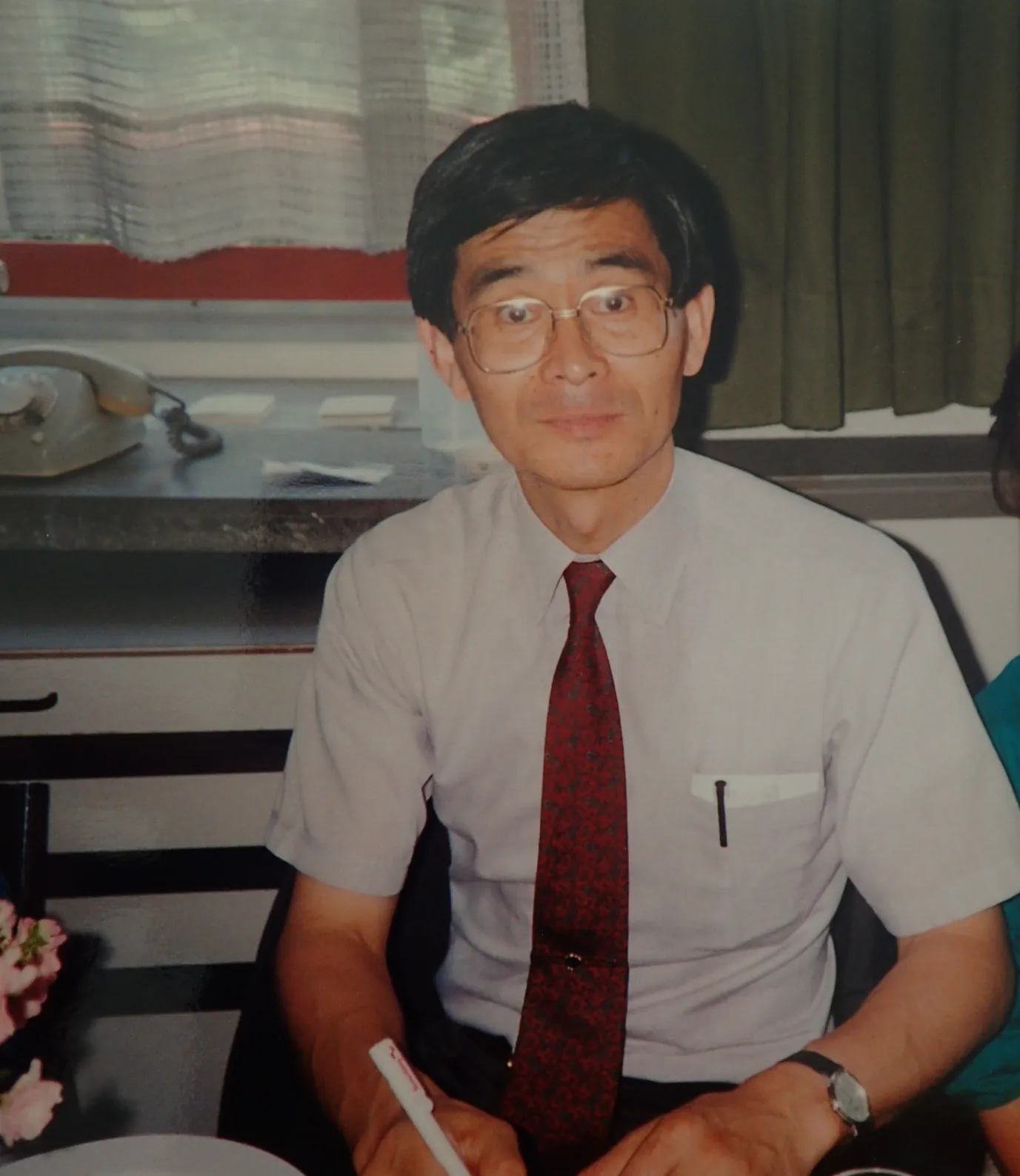
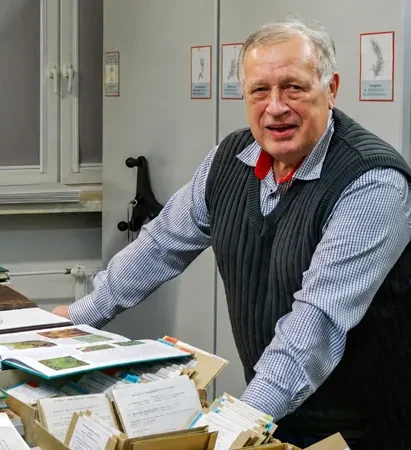
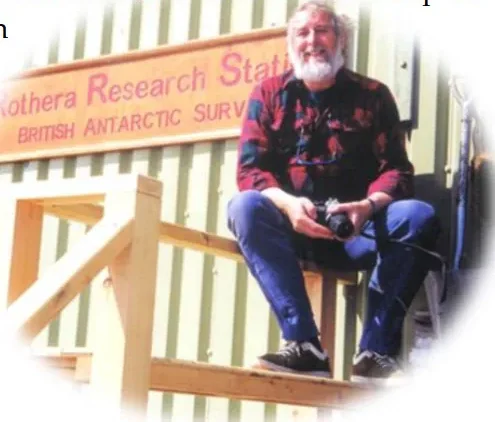
Dr. Seppelt is recognized for 40 years of outstanding contributions to our knowledge of the bryophyte flora of Australia, Antarctica, subantarctic islands, New Zealand, as well as Arctic regions but also, among others, to bryophyte ecophysiology, biogeography, biochemistry, and paleo-biodiversity. His remarkable accomplishments are shared through numerous publications and rest in part on 35,000 collections of bryophytes, lichens, fungi and algae that are now housed in the Tasmanian Herbarium in Hobart (HO). He also demonstrated continuous support to bryologists and relentless advocacy of bryology.
Meise Botanic Garden, Brussels, Belgium
Citation to come.
Citation to come.
Duke University, Durham, United States
Citation to come.
Institute of Systematic Botany and Herbarium Haussknecht, University of Jena, Jena, Germany
Citation to come.
Hattori Botanical Laboratory, Nichinan, Miyasaki, Japan
Citation to come.
United States
Citation to come.
Institute of Pharmacognosy, Faculty of Pharmaceutical Sciences, Tokushima Bunri University, Tokushima, Japan
Citation to come.
Farlow Library and Herbarium of Cryptogamic Botany, Harvard University, Cambridge, Massachusetts, United States
Citation to come.
RS

II

Richard Spruce Award

for important contributions within the first 25 years of a professional career

13recipients

The award recognizes an IAB member for their significant contributions to bryology, within the first 25 years of their career (dated from their first bryological publication).

Committee · Selection Committee chaired by Vice President No. 1, with two members appointed by the IAB Council.

Cadence
Every IAB meeting not held with the IBC
Award
The award consists of a mounted plaque, and a registration-fee waiver for the next IAB conference.
Recipients · most recent first
Natural History Museum, London, United Kingdom
Dr. Sylvia Pressel, from the Natural History Museum in London, was awarded the Spruce Award in 2025 in recognition of her significant contributions to bryology throughout her career. Her research integrates expertise in bryophyte systematics, evolution, anatomy and in-vitro culturing to tackle major questions on the origin and evolution of key innovations of land plants including stomata, cuticles, desiccation- tolerance and fungal symbioses. Outstanding contributions internationally in many areas of bryology embracing liverworts, hornworts and mosses in equal measure. Her main contributions are  The discovery that the desiccation  depends on the polymerisation kinetics of the opening talk at the IAB cytoskeleton. The full documentation of fungal associations in hornworts and liverworts, and the demonstration that these are symbiotic. The discovery that the development of intercellular spaces in bryophytes differs fundamentally from that in vascular plants. Irrefutable evidence that the stomata of bryophytes have fixed apertures. The first bryophyte flora of Ascension Island. Her citation indices are impressive: citations 544 and h-index (a metric that measures both the productivity and citation impact of a scientist’s published work) 37. See https://www.researchgate.net/profile/Silvia-Pressel/2 Reference: Bryological Times N°161, Dec. 2025
Nicole Fenton’s work focuses on fundamental questions related to bryophyte biology and conservation, and in particular, on bryophyte dispersal and community assembly in North American boreal forests. Her work has substantially contributed to our understanding of the roles of bryophytes in ecosystem functions, in both natural and managed landscapes. She developed and standardized the use of plant functional traits in bryology, a field of inquiry in which bryophytes have been underrepresented. She has published 109 peer-reviewed papers and four book chapters, which have gathered close to 3900 citations. Her work has appeared in various international journals reaching a broad audience.
Belgium
Alain Vanderpoorten (University of Liège, Belgium) published nearly 200 studies spanning the fields of taxonomy, molecular biology, floristics, biogeography, ecology, and evolutionary biology, that have gathered about 4,500 citations. Most of his accomplishments emerge from collaborations with bryologists throughout the world and have been published in prestigious international journals, both bryological and broad spectrum, including Nature Communications, New Phytologist, Systematic Biology, Ecology Letters, and Critical Reviews in Plant Sciences. His early work focused on pleurocarps systematics and primarily Amblystegiaceae, particularly on ecology, population genetics, systematics, and character evolution. He then moved to bryogeography, leading major advances in understanding the processes that underpin long known distribution patterns of bryophytes. His highly innovative research on the settling velocity of spores has been instrumental in linking spore traits to dispersability and hence ranges in bryophytes. In 2009 Alain co-authored a comprehensive and extremely useful textbook on bryology, “Introduction to Bryophytes”, currently available as an e-book.
Matt Renner has made extraordinary contributions to our knowledge of bryology, extending to evolutionary biology in general. His main focus has been on systematics and taxonomy and evolutionary biology, as well as ecology, and translating this into action into conservation.
Swedish Museum of Natural History (Naturhistoriska riksmuseet), Stockholm, Sweden
Lars Hedenäs, senior curator at the Swedish Museum of Natural History, is one of the world’s leading muscologists. His scientific publications (> 100) span a period of about 25 years and are truly outstanding. Lars is a specialist of pleurocarpous mosses and has published on numerous different aspects of this group, including classical taxonomy and nomenclature, molecular phylogeny, population genetics, reproductive biology, morphological adaptation, biogeography and ecology. In the IAB he has been very active as a council member, an editor of The Bryological Times and a member of the bryophyte conservation group.
University of Connecticut, Storrs, United States
Citation to come.
Southern Illinois University Carbondale (SIUC)., Carbondale, Illinois, United States
Citation to come.
Citation to come.
Citation to come.
National University of Singapore, Singapore, Singapore
Citation to come.
New York Botanical garden, New York, United States
Citation to come.
University of Helsinki, Helsinki, Finland
Citation to come.
Citation to come.
HP

III

Hattori Prize

for the best publication or series of publications in the preceding two years

24recipients

The prize recognizes the author(s) for the significant contribution of a paper, series of papers, or book published within the two preceding calendar years.
Electronic publications are eligible provided that they are formally published scholarly works with a DOI or other persistent identifier and are archived or maintained by the publisher as part of the permanent scholarly record.

Committee · Selection committee chaired by Vice President Number 2, and further composed of two members appointed by the IAB Council.
If following nominations committee members emerge as co-authors of any publication, the committee should notify the President of IAB. If the committee considers that the nomination has merits, the committee member with a conflict of interest should be excused and replaced.

Cadence
Every two years
Award
The recognition consists of a printed and framed certificate
Recipients · most recent first
Shanghai Normal University, Shanghai, China
The Hattori Price 2025 is attributed to Shui-Liang GUO, Dan-Dan Li and Jing YU for their book “Taxonomy and Systematics of the Genus Macromitrium (Orthotrichaceae, Moss) in the World”, 2024, Collection Current Natural Sciences, Eds.: EDP Sciences & Science Press. 469 pp. Macromitrium Brid. (Orthotrichaceae, Bryopsida), the third largest moss genus with almost a thousand species names, is a representative genus of taxonomically challenging taxa. The genus is most species-rich around the Pacific Ocean with a typical pan-tropical distribution. The present monograph is basically a type specimen-based systematic summary, mainly based on our taxonomical revisions on the genus in the past 20 years, partially on regional revisions of other bryologists. The book provides detailed and comprehensive information on 271 confirmed species, most with illustrations and some with color photos. This book brings together the latest findings of the genus Macromitrium and valuable reference for professionals and amateurs.  
France
For “Bryophytes de France. Volume I. Anthocérotes et Hépatiques”. This first volume of the bryophyte flora of France covers 300 species, most of which occur elsewhere on the continent (and beyond). The flora includes a general illustrated introduction, illustrated keys, individual illustrated descriptions, ecological and geographic distribution, and notes. Photography is exemplary and abundant throughout this volume of 651 pages.
Germany
For his “Mosses of Europe – A Photographic Flora”. This 3-volume book illustrates almost all the European moss species (around 1250 taxa) and is the first such comprehensive treatment for the European moss flora. Each species is illustrated by outstanding macro- and microscopic photographs in a full-page format. Michael Lüth compiled the book almost on his own, from searching and capturing the species in their natural habitat to preparing microscopic slides illustrating diagnostic features.
Spain
For Flora Briofítica Ibérica (Iberian Bryophyte Flora), Volume VI (Hypnales). Published by Universidad de Murcia & Sociedad Española de Briología (2018). This sixth and last volume completes the Flora Briofítica Ibérica project, led from its beginning by Prof. Juan Guerra, covering the bryophytes of peninsular Spain and Portugal, Andorra, and the Balearic Islands.
Université de Laval, Québec, Laval, Panama
For a series of papers on hornworts: Villarreal & Renzaglia (2015), The hornworts: important advancements in early land plant evolution (Journal of Bryology 37: 157–170); Villarreal et al. (2015), Biogeography and diversification rates in hornworts (Taxon 64: 229–238); Villarreal et al. (2016), Divergence times and the evolution of morphological complexity in an early land plant lineage (Marchantiopsida) (New Phytologist 209: 1734–1746). Awarded for the 2015–2017 period.
For Liverworts and Hornworts of Rwanda (ABC Taxa vol. 14, 552 pp., 2013). The book treats 262 taxa, with a key, colour photos of habit and microscopic details. It is freely available on the web and useful for most African and tropical countries — a remarkable effort by one author in a country torn by wars. Awarded for the 2013–2015 period.
For Bryophyte Ecology (ebook). Awarded for the 2011–2013 period.
Poland
Awarded for the 2009–2011 period.
United Kingdom
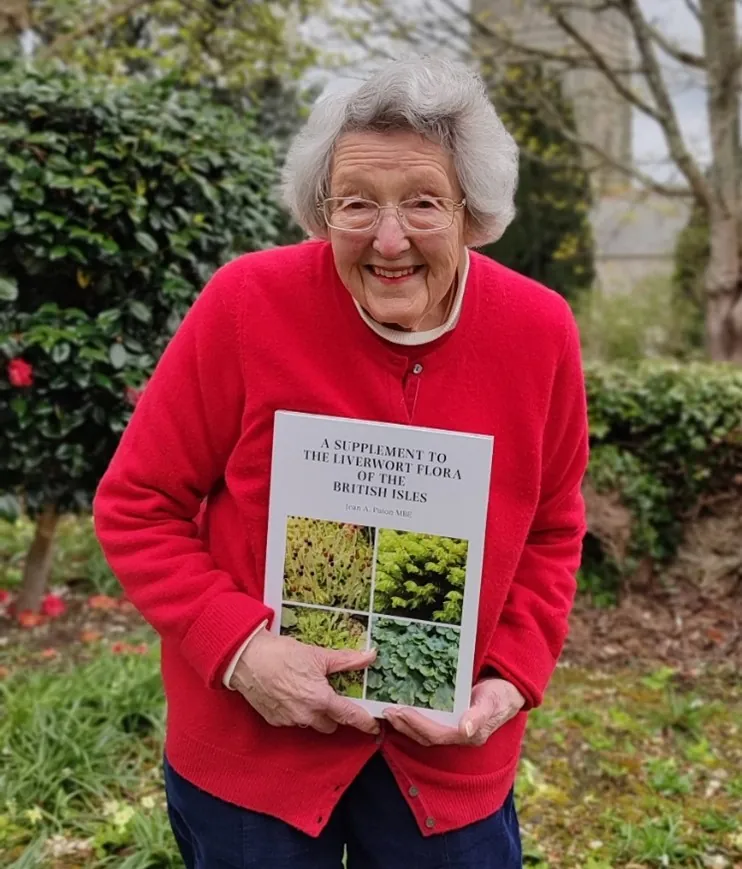
Awarded for the 2009–2011 period.
Royal Botanic Garden Edinburgh, Edimburgh, United Kingdom
Citation to come.
Nees-Institut für Biodiversität der Pflanzen (NEES) Universität Bonn, Bonn, Germany
Citation to come.
Citation to come.
Citation to come.
Citation to come.
Citation to come.
Citation to come.
Citation to come.

2002

United Kingdom
Citation to come.
RG

IV

Riclef Grolle Award for Excellence in Bryodiversity Research

for excellence in bryodiversity research

9recipients

The award recognizes a bryologist working in low- and medium-income countries (LMICs), as defined by the world bank, who has made a significant contribution to knowledge of bryodiversity in underexplored and/or bryophyte-rich areas.

Committee · The selection committee includes at least three recognized specialists designated by the IAB President with approval of the Executive Committee. If a committee member is nominated by an IAB member, the committee shall notify the IAB President. If the committee member chooses to accept the nomination, they shall be recused from the adjudication process due to the conflict of interest and replaced by another member.

Eligibility is limited to nationals of a defined list of qualifying countries (full list on the award’s record).

Cadence
The Ricleff Grolle award is awarded at every biennial IAB meeting.
Award
The award consists of a mounted plaque.
Recipients · most recent first
Singapore Botanic Gardens, National Parks Board, Singapore
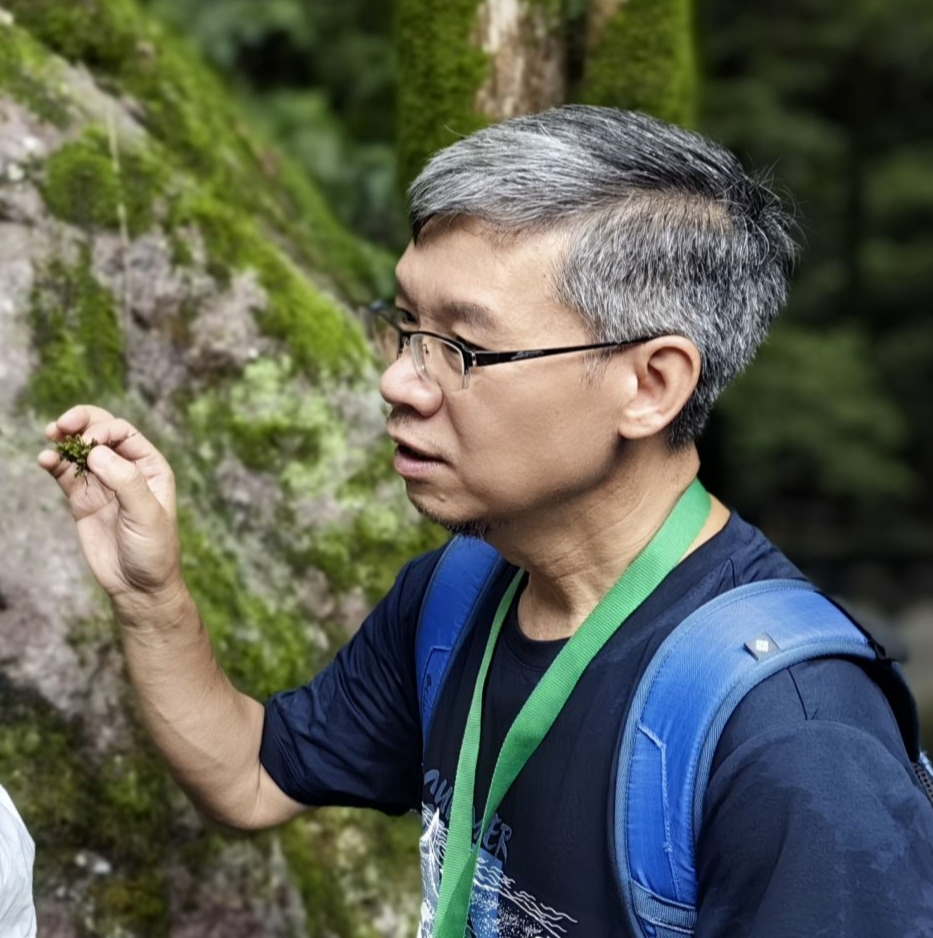
Dr. Boon-Chuan Ho, from the Singapore Botanic Garden was awarded the Riclef Grolle Award in 2025 in recognition of his contribution to the knowledge of the bryophyte flora of Asia. Boon-Chuan Ho has a special interest in plant biodiversity and evolution in tropical Southeast Asia and adjacent regions. His research focus on the taxonomy and molecular systematics. He was engaged in several field excursions in various tropical countries, including Malaysia, Indonesia (Java & Sumatra), Papua New Guinea, Singapore, Thailand and Vietnam in the region of primary research and also in Uganda and Ecuador to better understand bryophyte diversity more globally. He is the author or co-author of more than 100 publications focusing mainly on the systematics, taxonomy, conservation, and ecology of bryophytes in Asia (China, Malaysia, Singapore, etc.), combining traditional and molecular approaches. See https://www.researchgate.net/profile/B-C-Ho-2   Reference: Bryological Times N° 161, Dec. 2025.
India
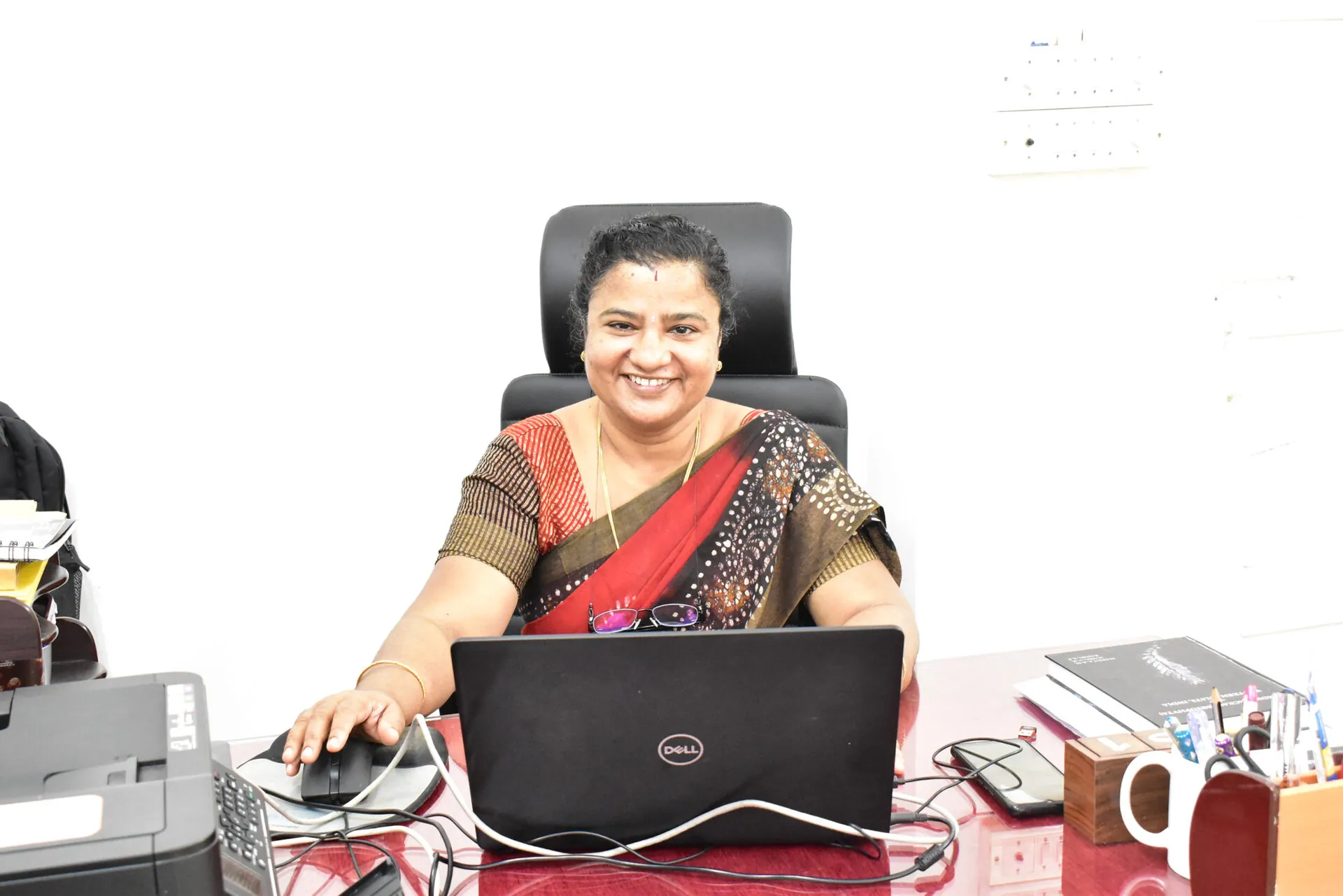
(University of Calicut, Kerala, India). Dr. Nair has contributed significantly to our understanding of the diversity of the bryophyte flora of the State of Kerala, which currently comprises over 800 species, including 15 recently recognized as new to science, more than 35 new records of occurrence for India, 60 for Peninsular India and 70 for the State of Kerala. She has published more than 75 research papers and four books, including “Bryophytes of Wayanad in the Western Ghats” and “Bryophytes of Kerala, Volume 1: Liverworts”.

2021

China
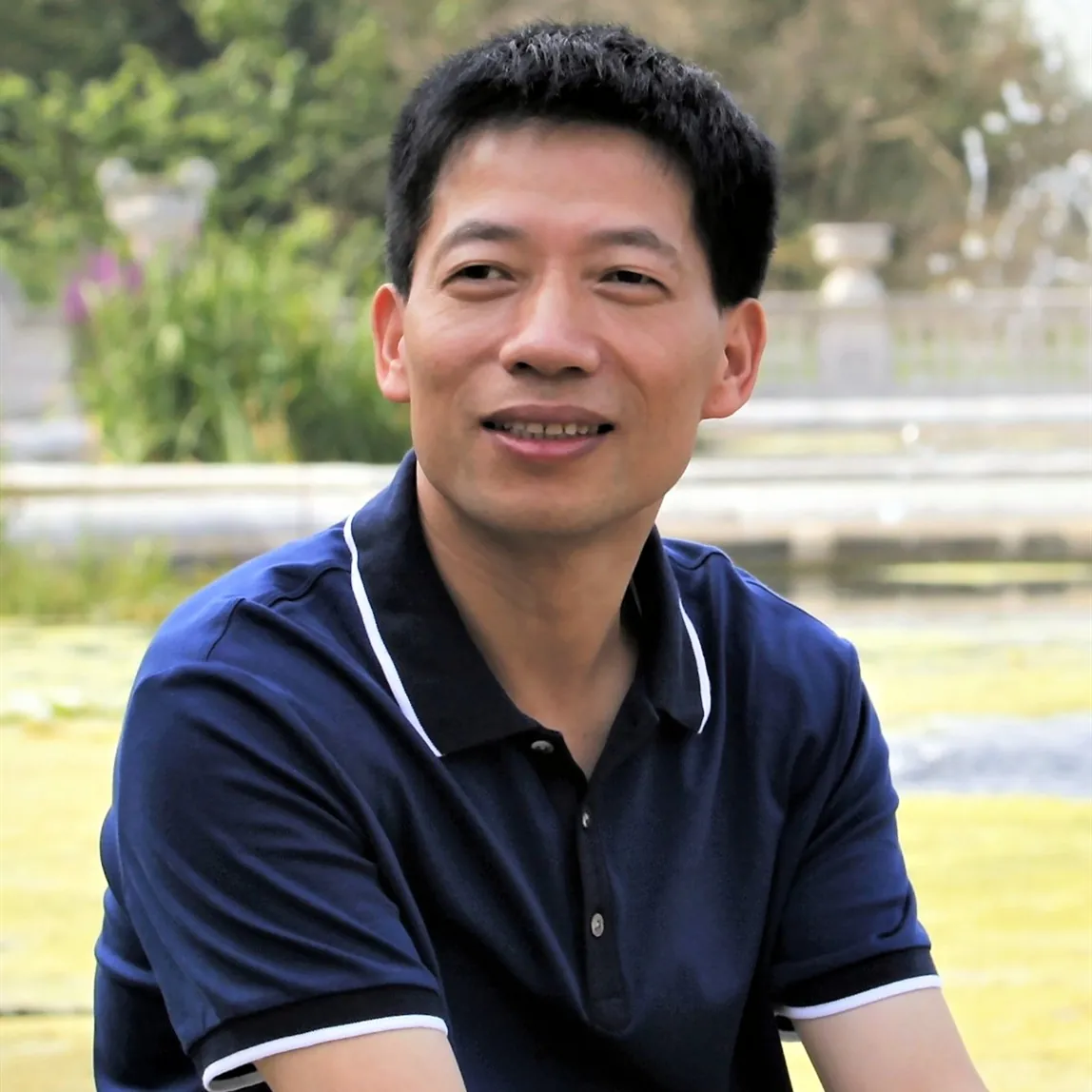
(Fairy Lake Botanical Garden, Shenzhen, China). Dr. Zhang has extensively explored the bryophyte diversity in underexplored regions of China, especially Yunnan, Sichuan, Guizhou and Guangzhou. In 2006 he joined the Fairy Lake Botanical Garden and established the bryophyte herbarium and its exchange program. He has published bryophyte floras of Macao, Guangdong (incl. Hainan) and Hong Kong, the books Higher Plants of China Vol. 1 Bryophyta (2012) and Higher Plants of China in Color Vol. 1 Bryophytes (2016), and the first field guide of bryophytes in China (2016), complemented by his superb photography.
Pontificia Universidad Católica de Valparaíso, Chile
Dr. Larraín has had an active field program in Chile for many years, with an emphasis on Chiloé Island, and contributions to the flora of New Caledonia and Fiji. He has worked on both mosses and hepatics, using both specimen-based morphology and molecular data. His doctoral dissertation was a revision of the Latin American species of Racomitrium with a phylogeny of the genus; on his Field Museum post-doc he worked on the genus Frullania.
Ain Shams University, Cairo, Egypt
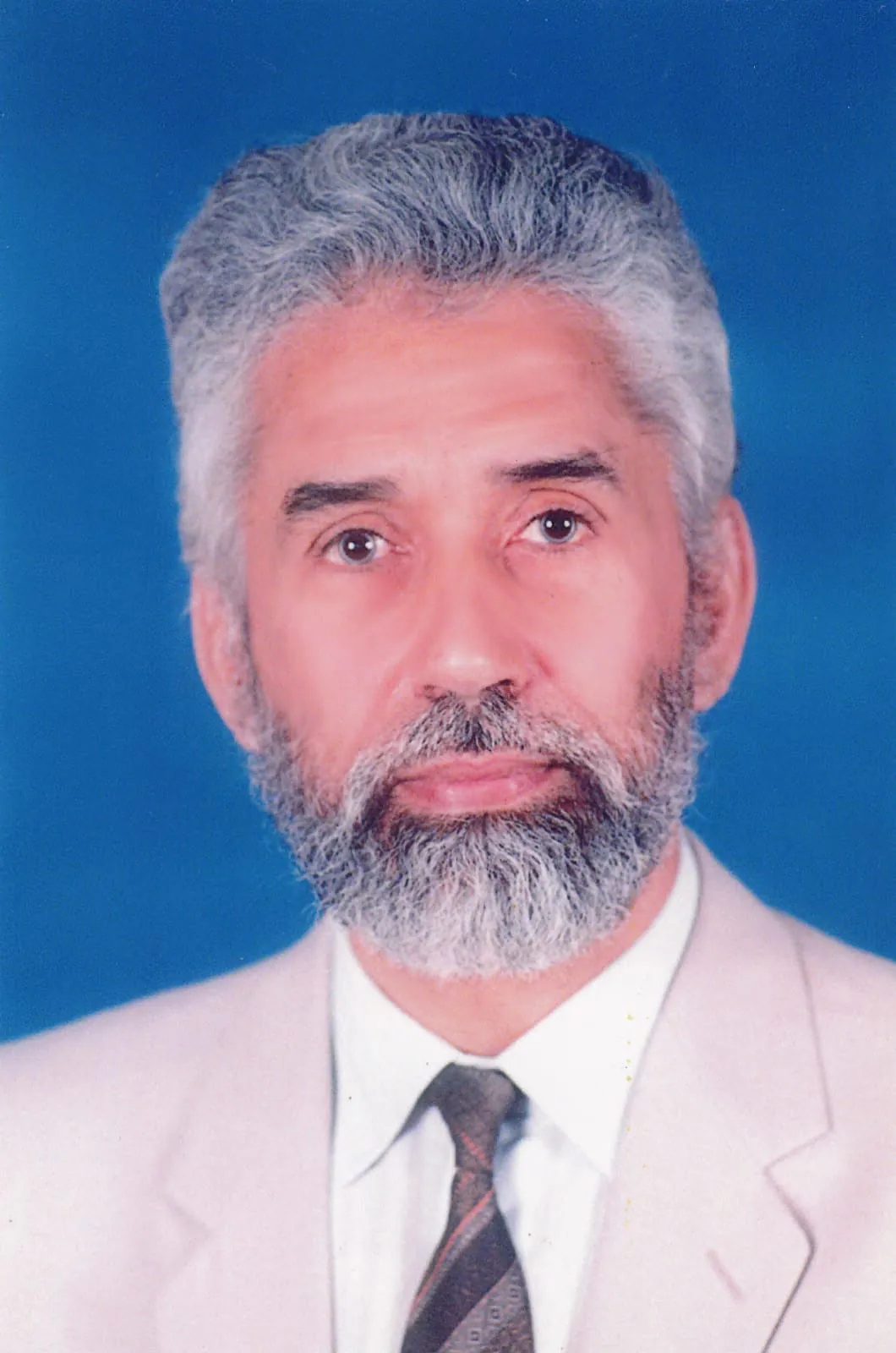
Dr. El-Saadawi has made significant contributions to our knowledge of the bryophyte flora of the Mediterranean area, in particular of Egypt, Kuwait, UAE, Sudan and Libya, and has continuously promoted bryology in Egypt by mentoring students and establishing a bryophyte herbarium at Ain Shams University (CAIA).
China
Rui-Liang Zhu, curator at the Biological History Museum (HSNU) and Director of the Department of Plant Sciences, East China Normal University, is one of the world’s leading liverwort experts, especially recognized as a worldwide authority on the family Lejeuneaceae. He has published over 170 scientific publications, including a monograph of Lopholejeunea. He is engaged in securing bryophyte resources in threatened habitats and serves as president of the Bryological Society of China and vice-president of IAB.
Faculty of Sciences and the Natural History Museum of the University of Lisbon, Lisbon, Portugal
Citation to come.
Citation to come.
He is a researcher at the Biology Institute, UNAM since 1973, with interest in Systematics, Floristics and Phytogeography of Mexican and Neotropical mosses. His publications sum around 173 academic contributions (articles, book chapters, and miscellaneous notes). His name is associated with the names of three bryophyte species, a fern, and a tardigrade. Dr. Delgadillo was founder and is currently Curator of the Bryophte Collection at MEXU.
JG

V

Janice Glime Award

for excellence in mentoring and outreach in bryology

0recipients

Recognizes excellence in promoting the understanding and conservation of bryophytes through mentoring or outreach. Awarded every six years, at the IAB meeting held in conjunction with the International Botanical Congress.

Committee · The selection committee is chaired by the Outgoing President, with three members appointed by the IAB Council at each Botanical Congress.

Cadence
Every six years · with the IBC
Award
A mounted plaque
Recipients · most recent first
No results to show. Either no one has received this award, or we're working on adding them to our website.