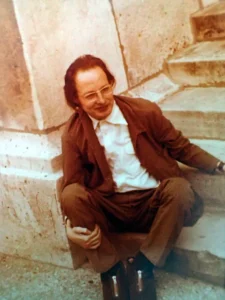
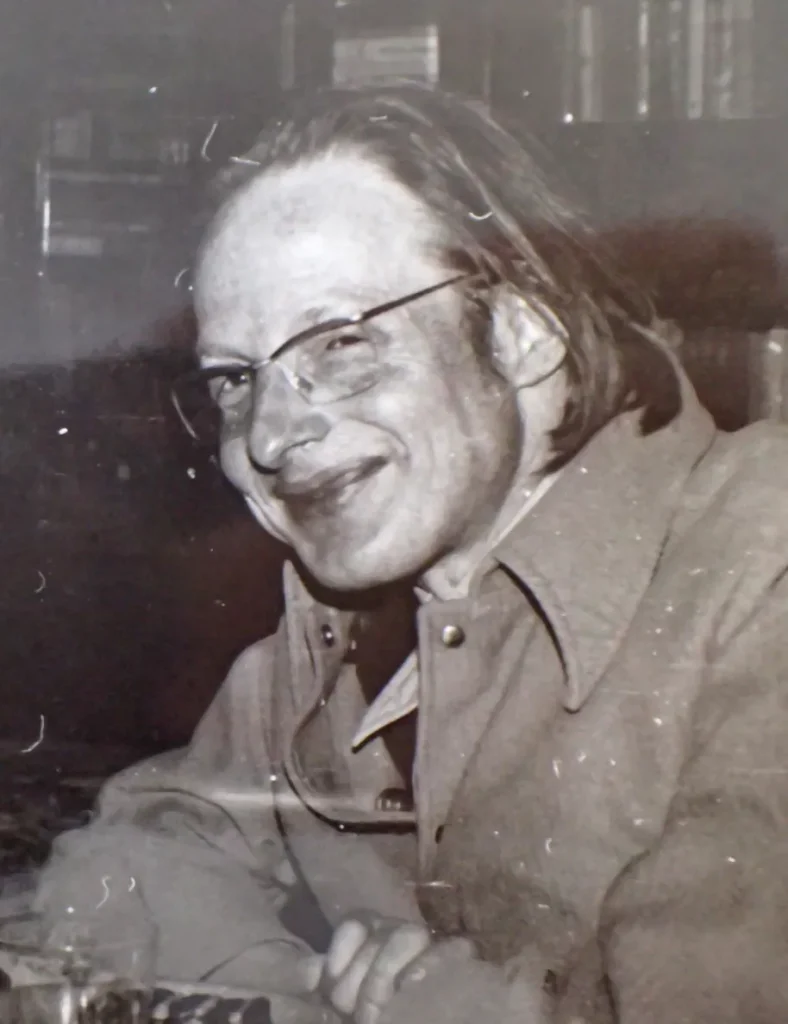
Dr Riclef Grolle was a German hepaticologist and one of the leading twentieth-century specialists in liverwort taxonomy and nomenclature. He was born in Oldenburg, Germany, and spent most of his life in Jena. His early interest in plants was encouraged by the botanist and bryologist Theodor Herzog, whom he met through the Thuringian Botanical Society.
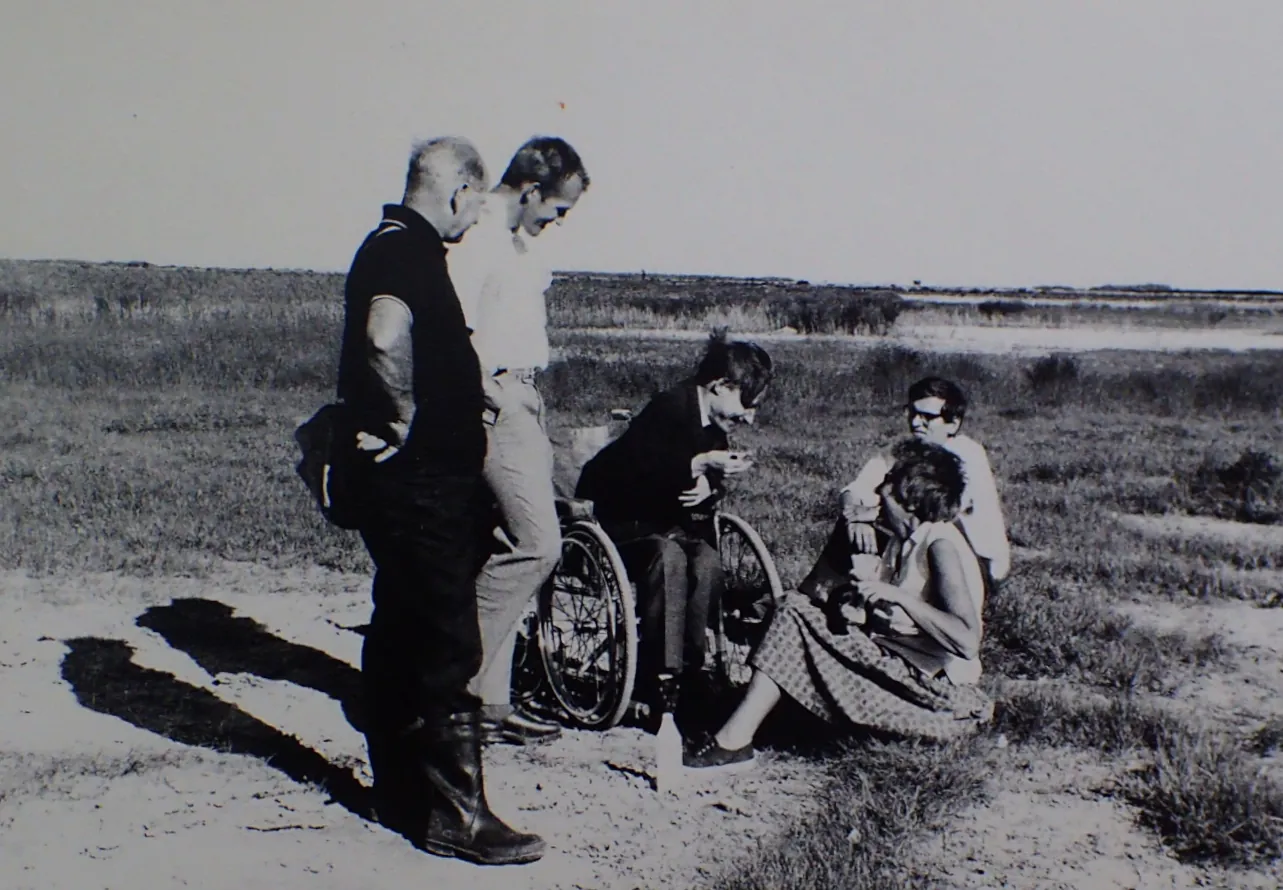
In 1952, Grolle began studying biology at the Friedrich Schiller University Jena. During his second semester, however, he contracted poliomyelitis, which severely affected his legs and partly his arms and left him dependent on a wheelchair for the rest of his life. After an interruption of two years, he nevertheless resumed his studies and completed his diploma in 1959. Under the guidance of Theodor Herzog, he chose hepatics as his principal field of research.
He subsequently became a research assistant at the Institute of Systematic Botany and Herbarium Haussknecht, University of Jena, where he worked for more than 35 years, until his retirement in 1996. He received his doctorate in natural sciences in 1962, with a dissertation on the liverwort genus Leptoscyphus.
Despite his severe physical disability, Grolle maintained an exceptional scientific productivity, publishing more than 300 works. His research covered three principal areas: taxonomy, nomenclature and fossil liverworts. His taxonomic work concentrated especially on liverworts of the Southern Hemisphere and the tropics, based largely on the critical examination of type specimens and extensive unidentified herbarium material. He published monographs, revisions and floristic treatments and described around twenty new genera as well as numerous new species.
Grolle was also an internationally recognized authority on liverwort nomenclature. His extensive study of historical literature and type material resulted in numerous typifications and nomenclatural corrections, including his major works Verzeichnis der Lebermoose Europas und benachbarter Gebiete (1976) and Nomina generica Hepaticarum (1983). His expertise led him to serve for many years as Chairman of the International Nomenclatural Committee for Bryophytes.
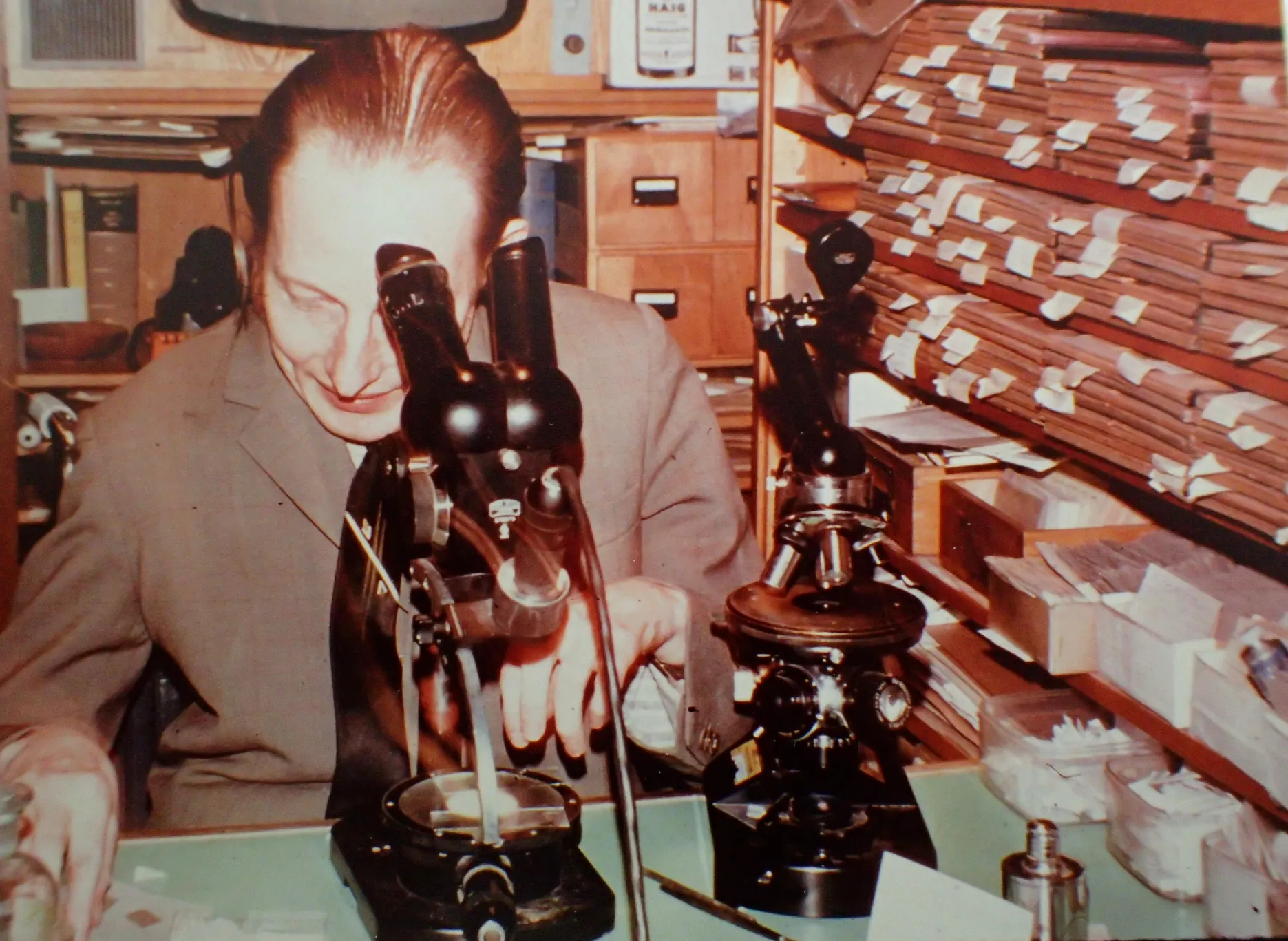
During the last approximately twenty-five years of his career, he increasingly studied fossil liverworts preserved in amber, helping to establish palaeohepatology as an important component of liverwort research. His studies demonstrated, among other things, that representatives of some modern liverwort genera were already present in the Tertiary. Shortly before his death, he completed a monograph on liverworts in Baltic and Bitterfeld amber.
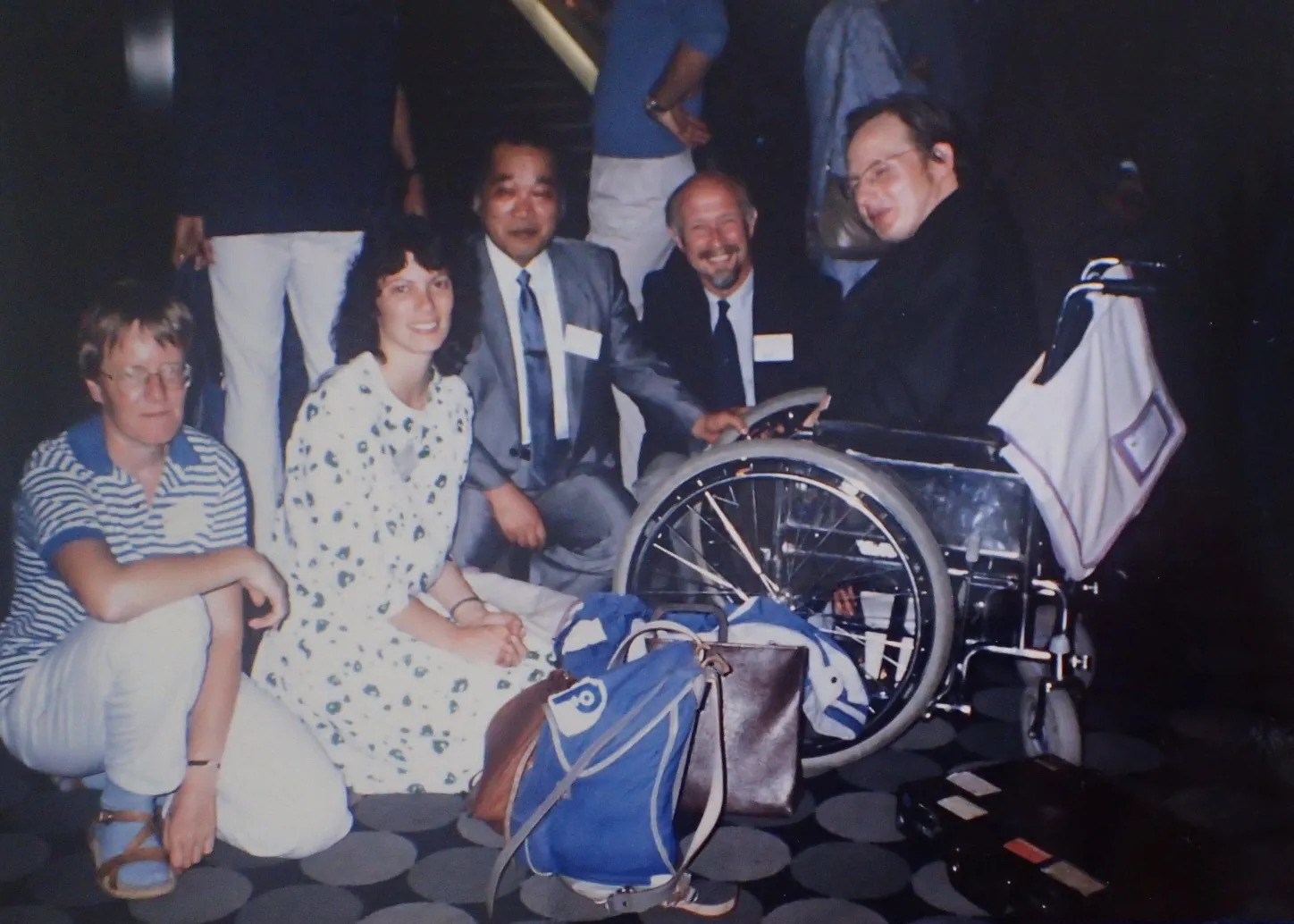
Grolle was also widely respected as a generous mentor and collaborator. Although his disability made fieldwork impossible, he worked with bryologists throughout the world and trained or advised many younger hepaticologists. His personal liverwort collection, comprising about 40,000 specimens, was incorporated into the Herbarium Haussknecht (JE) at the University of Jena, substantially increasing the international importance of its bryophyte holdings.
In recognition of his outstanding lifetime contribution to bryology, Riclef Grolle received the IAB Hedwig Medal in 1999.
After his death, the International Association of Bryologists established the Riclef Grolle Award for Excellence in Bryodiversity Research, which recognizes outstanding contributions to the study of bryophyte diversity, particularly by researchers working in developing countries and bryologically rich or insufficiently explored regions.
Riclef Grolle died in Jena on 12 June 2004, aged 69. His taxonomic and nomenclatural work continues to provide an important foundation for modern research on liverwort diversity and systematics.
References
Zündorf et al, (2005) Cryptogamie 26(1) 5-27
Gradstein, S. R. (2005). Riclef Grolle (1934–2004). Journal of Bryology, 27(2), 169–171. https://doi.org/10.1179/jbr.2005.27.2.169
All images: © From S. R. Gradstein’s personal collection.