
IAB
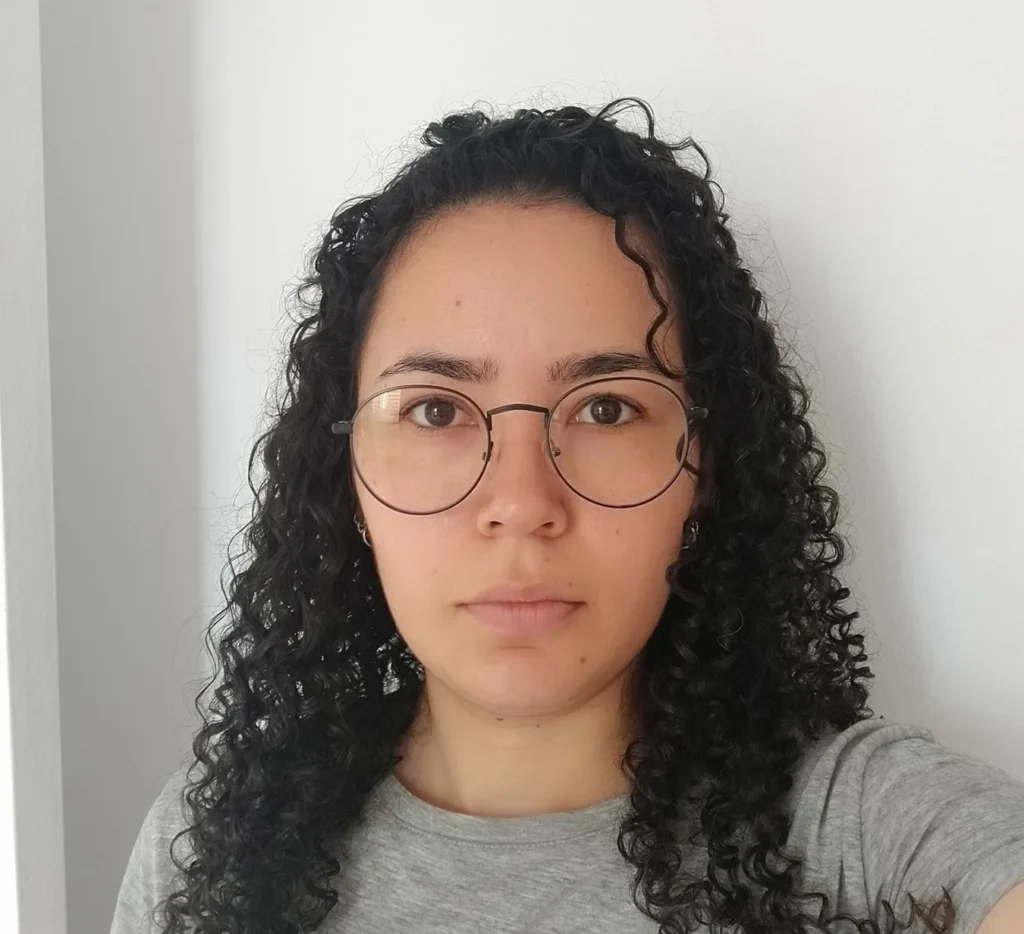
My name is Catalina Montoya Molina, and I am a recent Biology graduate from the University of Antioquia. I was born in Medellín, a city in the department of Antioquia, Colombia. What made me love biology at first was the fact that I lived in a house in the field, so during all my childhood and youth I had the privilege to live among nature, trees, animals and the mountainous landscapes of my beloved Antioquia, which is also very rich in bryophytes. So, when I started my degree in Biology, in the first general botany lab, it was scheduled to study bryophytes, and the first time I saw a bryophyte down the microscope it was love at fist sight, there is no another way to say it. Its unconceivable shapes that seemed nothing like I had seen before in my life, and because of that, its unexplainable beauty, had just fascinated me in a way that still today keeps overwhelming me. Unfortunately, in my University there was no bryology teacher, and that bryology lesson occurred only in that first Botany lab, and never again in Botany or in another subject in the following semesters of my career did I have another class about bryology.
Some semesters later, an unforgettable day, more casually than anything, I met in the Herbarium of my university (HUA) a biologist who worked with bryophytes as a consultant, so he started to teach me my first lessons in bryophyte taxonomy. The time I spent with him was short because he left the country to do his Master degree. However, I kept studying bryophytes on my own, with the literature that he lent me, and with the books available in the Herbarium library. Fortunately, I was lucky because HUA has the second largest bryophyte collection in the country, with 15,000 specimens, so I had too many bryophytes for learning. So during that time I explored all the bryophyte families, genera and species present in Antioquia and Colombia that are stored in HUA. I did not need too much time to realize that there was a particularly complicated and frustrating liverwort genus: that was Plagiochila.
Some months later, another wonderful casual meeting happened: Professor Jaime Uribe came to visit HUA looking for some endangered species that could be in Antioquia. So, I asked him to teach me, and that changed my perspective of bryology and biology in general. He was the first real bryologist and specialist that I had met in my life, so that encouraged me even more to keep on learning about bryophytes. As I had to think about my undergraduate thesis, I asked him to teach me about liverworts, particularly Plagiochila, the most frustrating group that I had studied. By that time, my botany teacher, Ricardo Callejas, took me to another herbarium, at the Botanical Garden of Medellín Joaquín Antonio Uribe (JAUM). There was a small and sadly forgotten bryophyte collection that I started to curate and organize. It helped me to learn about another detail of bryophyte collections – curation. I asked for all of the Plagiochila collections from another herbarium there, and started my graduate thesis:“A synopsis of the genus Plagiochila (Plagiochilaceae) in the department of Antioquia, Colombia” which is in the process of being published.
During the second half of my undergraduate degree and until now I have had the chance to explore bryophyte taxonomy, by curating the bryophyte collections of various herbaria like HUA, JAUM and MEDEL, and have visited places all around Colombia in which I have collected and enriched the JAUM bryophyte collection. I enjoy sharing my knowledge, so I have been in different activities teaching about bryophytes in secondary schools, and rural communities. I also had the chance to participate in a project which explored bryophyte diversity of dry forest relicts in Valle del Cauca and was in an activity that evaluated the IUCN red list of Colombian bryophyte species. I am seriously interested in continuing my studies on bryophytes, and as I like taxonomy, I want to continue my research in taxonomy and phylogenetics from an integrative perspective.
Mi nombre es Catalina Montoya Molina, y soy bióloga recién graduada de la Universidad de Antioquia. Nací en la ciudad de Medellín ubicada en el departamento de Antioquia, Colombia. Lo que en principio me llevó a enamorarme de la Biología fue el hecho de vivir en una casa en el campo, razón por la cual durante toda mi infancia y juventud tuve el privilegio de vivir entre naturaleza, árboles, animales y los montañosos paisajes de mi amada Antioquia que, además es muy rica en briófitos. Así que cuando entré al pregrado de Biología, durante el primer laboratorio de Botánica General, en el cual teníamos planeado estudiar briófitos y vi por primera vez un briófito al microscopio, sentí amor a primera vista, no existe otra manera de expresarlo. Sus formas inconcebibles que no se parecían a absolutamente nada que hubiera visto antes en mi vida, y por eso mismo, su inexplicable belleza, me fascinaron de tal manera que aún hoy día continúan abrumándome. Desafortunadamente en mi Universidad no había un profesor de Briología, y las lecciones de briología quedaron en ese primer laboratorio de Botánica General, y nunca más en dicha materia ni en otra en los semestres subsiguientes vi otra lección que abordara algún tema de briología.
Algunos semestres después, un día inolvidable, más por casualidad que otra cosa, conocí en el Herbario de mi universidad (HUA) a un biólogo que trabajaba consultoría de briófitos, quien comenzó a enseñarme mis primeras lecciones de briología. El tiempo que pasé con él fue corto, pues el salió del país poco después a realizar su maestría. Sin embargo, continué estudiando briófitos por mi cuenta con la literatura que él me había brindado y con los libros que estaban disponibles en la biblioteca del herbario. Afortunadamente HUA contiene la segunda colección de briófitos más grande del país con 15.000 ejemplares, razón por la cual tuve muchísimos briófitos para aprender. Así que durante ese tiempo exploré todas las familias, géneros y especies de briófitos presentes en Antioquia y Colombia que están almacenados en HUA. Sin embargo, no necesité mucho tiempo de estudio para darme cuenta de que había un género de hepáticas particularmente complicado y frustrante: ese era Plagiochila.
Algunos meses después, ocurrió otra maravillosa casualidad: el profesor Jaime Uribe fue de visita a HUA buscando especies amenazadas de briófitos que pudieran estar en Antioquia. Entonces le pedí que me enseñara, y ello cambió por completo mi perspectiva de la briología y de la biología en general. Él fue el primer briólogo especialista que conocía en mi vida, lo cual me motivó aún más a continuar estudiando briófitos. Como era hora de ir pensando en mi tesis de pregrado, le pedí que me enseñara sobre hepáticas, particularmente sobre Plagiochila, el grupo más frustrante que yo había estudiado. Por aquellos tiempos, mi profesor de botánica, Ricardo Callejas me llevó al herbario del Jardín Botánico de Medellín Joaquín Antionio Uribe (JAUM). Allí había una pequeña y lamentablemente olvidada colección de briófitos que comencé a curar y organizar. Ello me ayudó a aprender otros detalles sobre curaduría de colecciones de briófitos. Así que pedí en préstamo todas las colecciones de Plagiochia a JAUM y realicé mi trabajo de grado titulado “Sinopsis del género Plagiochila (Plagiochilaceae en el departamento de Antioquia”, que actualmente se encuentra en proceso de publicación.
Durante la segunda mitad de mi carrera en Biología y hasta ahora he tenido la oportunidad de explorar la taxonomía de briófitos, curando las colecciones de varios herbarios como HUA, JAUM y MEDEL, y he visitado lugares en todo Colombia en los cuales he colectado y enriquecido la colección de briófitos de JAUM. Me gusta enseñar, razón por la cual he estado en diferentes actividades enseñando sobre briófitos en colegios de secundaria y comunidades campesinas. También tuve la oportunidad de participar en un proyecto que exploraba la diversidad de briófitos de relictos de bosque seco en el Valle del Cauca, y estuve en una actividad de evaluación de especies de briófitos amenazadas según los criterios de la UICN en Colombia. Estoy muy interesada en continuar mis estudios con briófitos, y así como me gusta la taxonomía, quiero continuar mi investigación en filogenética y taxonomía desde una perspectiva integrativa.